
Can a giant sixty-billion-dollar backlog finally rescue Super Micro Computer from its recent regulatory nightmares?

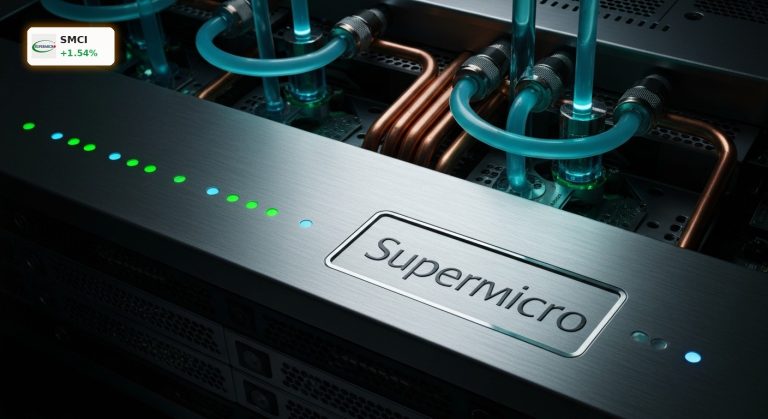
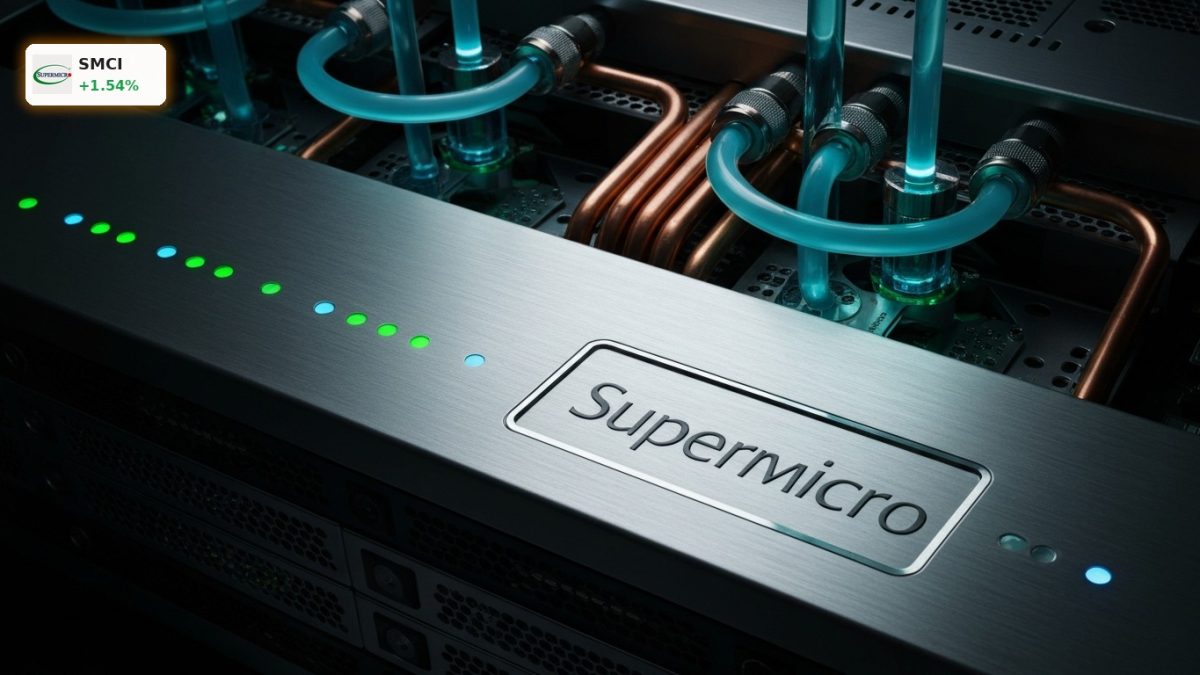
During intraday trading, shares of the server manufacturer climbed to $31.03, representing a steady 1.54% gain from the previous close of $30.56, building on a massive double-digit percentage surge triggered by the company’s preliminary financial disclosure. This positive momentum offers a welcome relief for shareholders, as the stock had previously tumbled nearly 50% year-over-year amid regulatory scrutiny and market volatility.
Why did Super Micro Computer Earnings expectations surge?
The primary catalyst behind the sudden market optimism is the company’s preliminary Q4 fiscal 2026 business update. While Super Micro Computer expects its quarterly revenue to land near the lower end of its previously projected $11 billion to $12.5 billion range—compared to the Wall Street consensus of $11.73 billion—the top-line figures were completely overshadowed by an extraordinary backlog. The company revealed that total new orders exceeded $60 billion in the fourth quarter of fiscal 2026 alone, with these orders scheduled for delivery over the coming quarters.
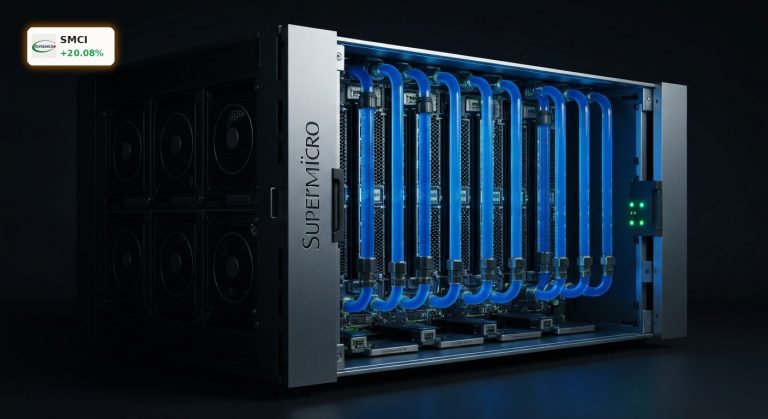
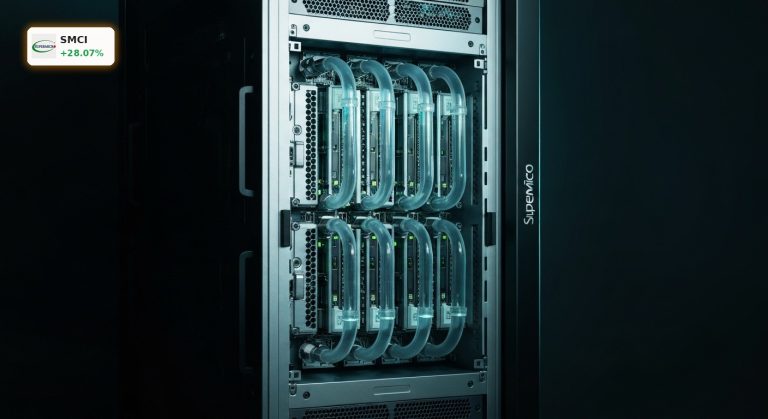
Furthermore, the preliminary **Super Micro Computer Earnings** figures reveal a massive leap in profitability. The company expects its gross margin to land between 15% and 17%, which is nearly double its previous guidance of 8.2% to 8.4%. Management attributed this dramatic margin expansion primarily to a highly favorable customer and product mix. As a key system integrator that designs high-performance servers incorporating advanced chips from **NVIDIA**, **Intel**, and **AMD**, Super Micro Computer remains at the absolute epicenter of the global AI build-out. This is further highlighted by its ongoing collaboration with Elon Musk’s ventures, including co-building a massive gigawatt AI data center.
How do Wall Street analysts view the stock?
The dramatic margin improvement and unprecedented backlog have prompted several Wall Street firms to quickly revise their valuation models. Barclays raised its price target on the stock to $38 from $34, maintaining an Equal Weight rating. The bank’s analysts noted that while the Q4 revenue is tracking toward the lower end of expectations, the materially higher gross margins and the massive $60 billion backlog represent a significant fundamental upgrade.
Rosenblatt went even further, raising its price target to $45 from $40 while reiterating a Buy rating. Analysts at Rosenblatt emphasized that the margin-driven Q4 beat and the enormous order pipeline reinforce the company’s industry-leading time-to-market advantage. They view the recent pullback in the stock as an highly attractive entry point for long-term investors looking to capitalize on the secular AI infrastructure build-out.
While some derivatives traders are hedging their positions with short-term options spreads to avoid volatility ahead of the official report, the broader market sentiment has clearly shifted. The massive backlog serves as a concrete proof point that enterprise demand for high-performance AI data centers is not slowing down.
Related Coverage
For deeper insights into the company’s financial dynamics, readers can explore our coverage on how Super Micro Computer Margins Surge +20.1% on Margin Surprise, which analyzes whether this margin doubling is a long-term shift. Additionally, for a broader perspective on the semiconductor sector, see our report on Texas Instruments Earnings: Stock Plunges -3.5% Despite Strong Beat to understand how other tech giants are navigating the current market environment.
In conclusion, the preliminary **Super Micro Computer Earnings** data has successfully shifted the narrative away from recent regulatory concerns and back to robust fundamental growth. For international investors, the massive $60 billion backlog and doubling of gross margins show that demand for AI infrastructure remains exceptionally resilient. As the company prepares to release its official, finalized results on August 11, the stock’s upward momentum suggests that Super Micro Computer is well-positioned to remain a dominant force in the hardware sector.