Is Constellation Energy becoming Wall Street’s favorite AI power play, or is the nuclear optimism already running too hot?

Why Is Constellation Energy Forecast So Bullish?
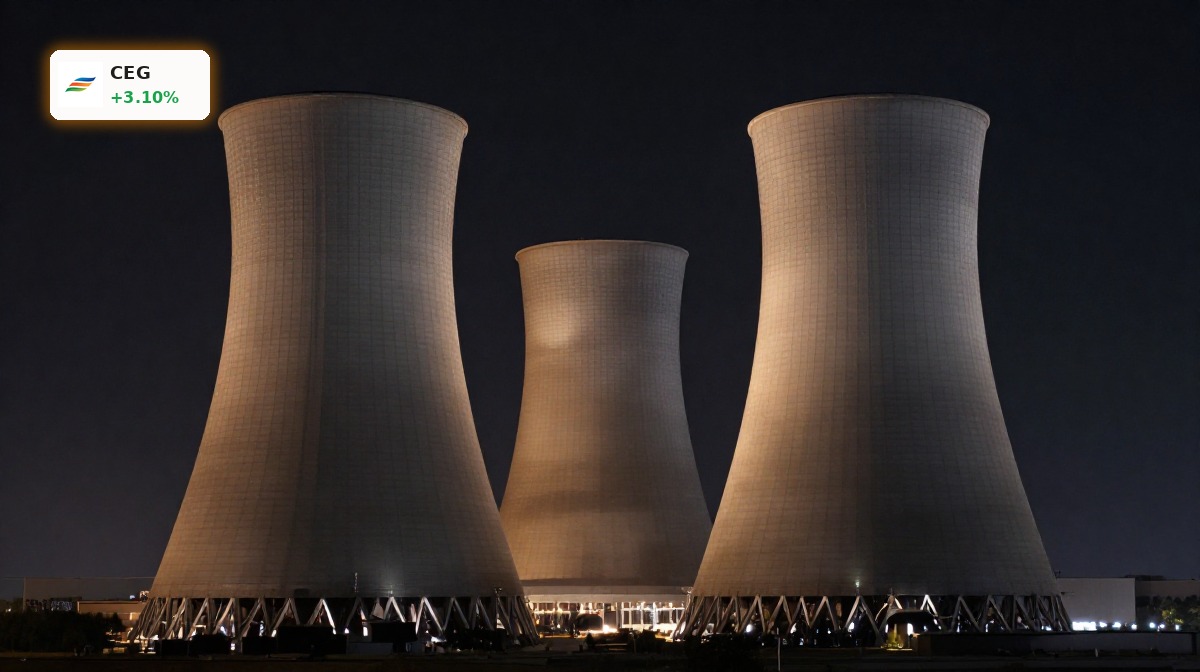
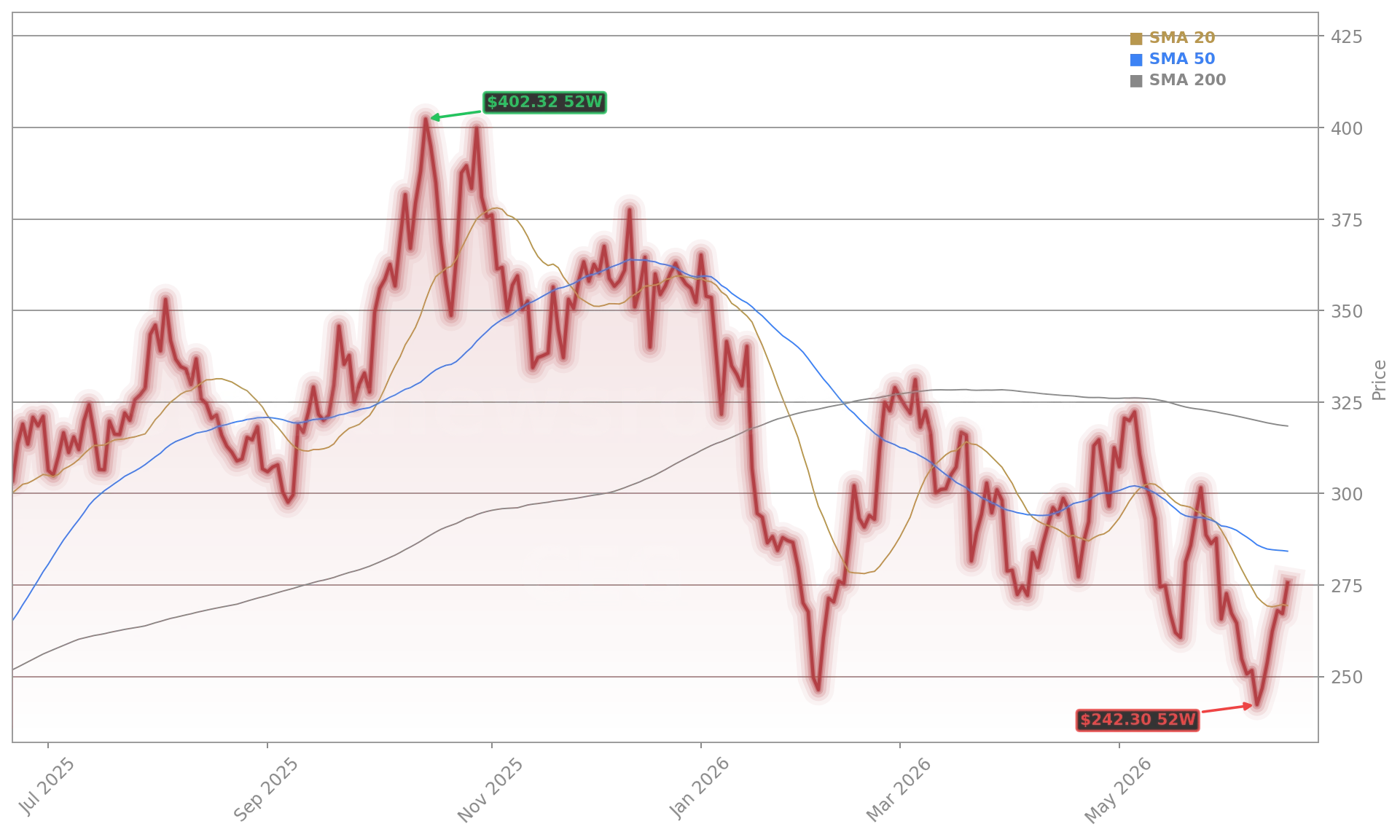
Constellation Energy Corporation surged 3.1% to $275.45 on Thursday, June 18, 2026, as Goldman Sachs analyst Carly Davenport launched formal coverage with a Neutral rating and $305 price target. The move marks a pivotal moment for Wall Street’s view of nuclear energy—not as a legacy sector, but as the backbone of AI infrastructure. Unlike solar or wind, nuclear offers 24/7 dispatchable power, essential for Microsoft, Meta, and Tesla data centers pushing into generative AI and battery-grid integration. With 94.7% fleet capacity factor in 2025 and 20-year license extensions for Clinton and Dresden, Constellation’s assets are functionally irreplaceable—no new U.S. reactor has come online since Vogtle Unit 3 in 2023. That scarcity is now priced in.
How Do Hyperscalers Reshape Constellation Energy Forecast?
Microsoft, Meta, and CyrusOne aren’t just customers—they’re strategic anchors. Their 20-year power purchase agreements lock in revenue regardless of natural gas volatility or PJM market reforms. The Crane Clean Energy Center (formerly Three Mile Island), set to restart in 2027, will deliver 800+ MW exclusively to Microsoft’s PJM data centers. That deal created a new template: tech firms bypassing intermediaries to secure clean, firm power directly. Constellation’s $26.6 billion Calpine acquisition further diversified its portfolio with natural gas, geothermal, batteries, and renewables—making it the largest U.S. power producer by capacity (55 GW). This hybrid model strengthens the Constellation Energy Forecast by de-risking exposure to any single fuel source while retaining nuclear’s margin advantage.
What Does Free Cash Flow Say About Constellation Energy Forecast?
Constellation Energy Corporation expects $8.4 billion in free cash flow for 2026 and 2027—rising to $11.5–$13 billion in 2028–2029. That firepower funds both shareholder returns and fleet modernization. With $4.7 billion remaining on its $5.0 billion buyback authorization and a dividend now at $0.4265 per quarter (up 10% in 2025 and targeting 10% annual growth), the company is balancing growth and income. The nuclear production tax credit adds a legislated floor of up to $15.00/MWh—adjusted for inflation—providing a margin buffer even in low-price environments. Analysts at Goldman Sachs cite this structural revenue support as critical to the Constellation Energy Forecast’s resilience.
How Does Constellation Energy Forecast Compare to Peers?
While Apple and other tech titans drive demand, Constellation’s competitive moat stands apart from peers like Exelon (now part of Constellation) and NextEra Energy. Unlike NextEra’s wind/solar-heavy model, Constellation owns the largest U.S. nuclear fleet—assets with 60+ year lifespans and near-zero marginal cost. Competitors such as Talen Energy (TLN), which Goldman Sachs recently initiated with a Buy rating and $499 target, lack Constellation’s scale, regulatory track record, or hyperscaler contract depth. In the VanEck Nuclear Energy ETF, Constellation ranks second at 7.78%—behind only Cameco (8%)—reflecting its centrality to the nuclear ecosystem. BWX Technologies (BWXT), at 6.82%, supplies reactor components but doesn’t generate power—making Constellation the purest play on nuclear energy delivery.
What Risks Could Derail This Constellation Energy Forecast?
America needs reliable, clean power—and Constellation is built to meet this demand with the strength of our fleet.— Joe Dominguez, CEO of Constellation Energy Corporation
The biggest near-term risk isn’t technology—it’s timing. If natural gas prices stay sub-$3/MMBtu through 2027 and AI capex slows, Constellation’s premium valuation (22x forward earnings) could compress. Its $17.5 billion long-term debt post-Calpine adds sensitivity to rate volatility. Yet the 20-year PPAs with investment-grade counterparties, the PTC floor, and the absence of viable nuclear alternatives mean downside is bounded. As CEO Joe Dominguez stated, ‘America needs reliable, clean power—and Constellation is built to meet this demand with the strength of our fleet.’ The Constellation Energy Forecast remains anchored in durability, not speculation.