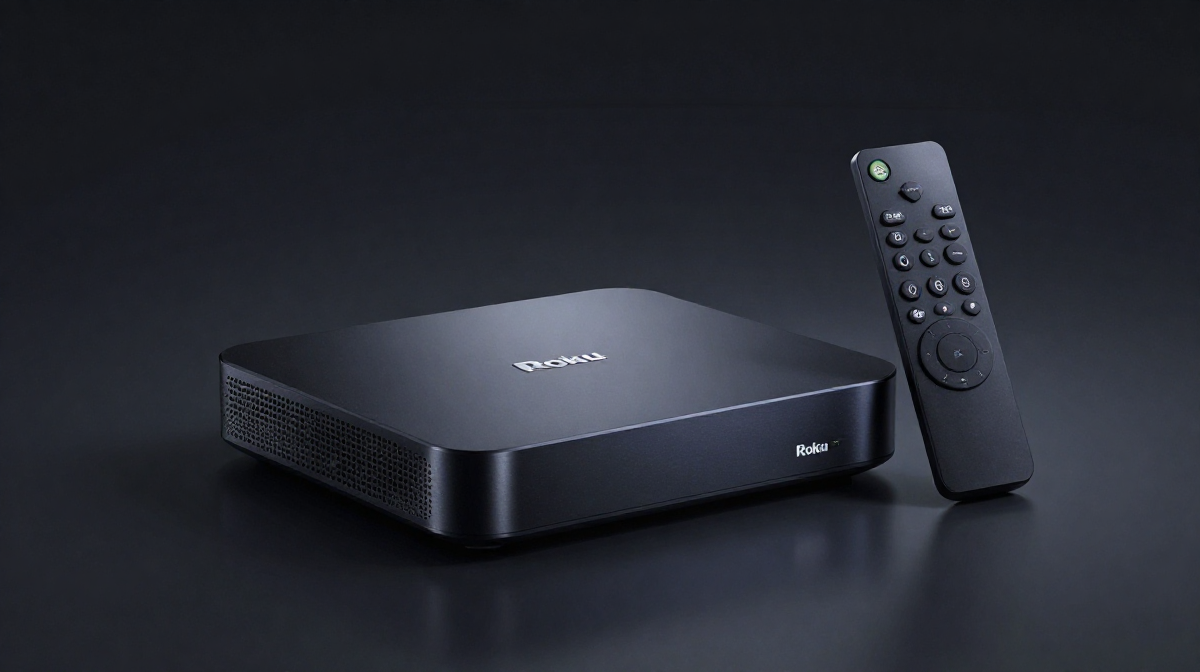
Is Fox making a brilliant $22 billion streaming bet, or taking on more risk than shareholders expected?

What Does the Fox Roku Acquisition Mean for Wall Street?
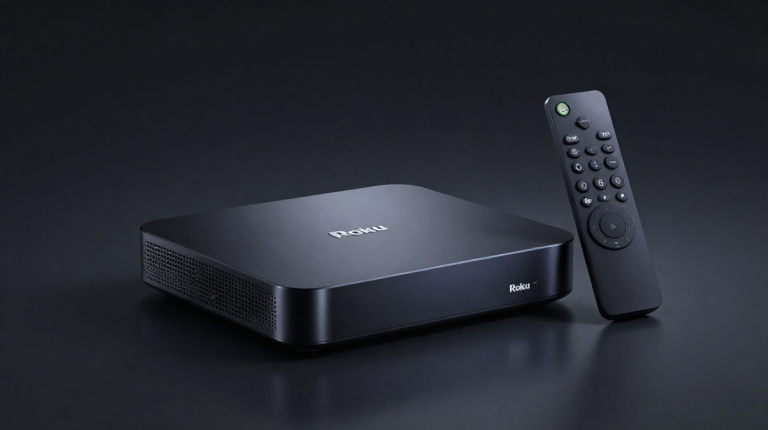
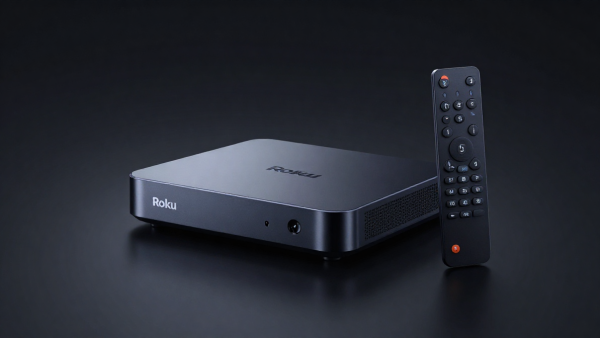
The Fox Roku Acquisition reshapes the streaming hierarchy overnight. While Apple and Amazon dominate hardware and ecosystem control, and NVIDIA powers AI-driven video infrastructure, Fox is acquiring the largest independent CTV platform — one that hosts Apple TV, Netflix, and Peacock — without owning content rights. The $22 billion enterprise value reflects Roku’s 28% platform revenue growth in Q1 2026 — $1.1 billion — and its strategic role as the de facto operating system for 52% of U.S. broadband households. Morgan Stanley Senior Funding has committed $12 billion in bridge financing, pushing pro forma net leverage to 2.8x EBITDA — a level analysts at RBC Capital Markets call ‘manageable but tight’ for a media company entering capital-intensive tech integration.
How Does This Compare to Competitors’ Strategies?
Unlike Comcast’s vertical integration with Peacock or Disney’s direct-to-consumer pivot, Fox’s Fox Roku Acquisition is a platform-first play — pairing its live sports and news moat (NFL, MLB, FIFA World Cup, FOX News) with Roku’s first-party data and ad stack. That contrasts sharply with Tesla’s software-defined vehicle approach or Meta’s AI-driven ad targeting — but mirrors the logic behind Amazon’s $8.5 billion MGM buy: control distribution, not just content. JP Morgan analysts note the combined Fox-Roku entity would surpass Paramount+ and Hulu in total U.S. TV viewing share, landing firmly behind only Comcast and Disney. Importantly, Roku will remain an open platform — meaning Fox content stays on Apple TV and Android TV, avoiding the ecosystem lock-in that has hampered others.
What’s the Financial Impact on Fox Shareholders?
Fox is paying $96 in cash and 0.9693 shares of its Class A common stock per Roku share — valuing Roku at $160, a 11.4% premium. Existing Fox shareholders will retain ~73% of the combined company. While the deal is expected to be accretive to free cash flow per share by Year 2, Citigroup warns that ‘integration costs, regulatory delays, and ad-market softness could compress near-term margins.’ Fox’s $400 million in run-rate synergies — largely from ad-tech consolidation and Tubi-Roku Channel bundling — are ambitious but achievable, per Goldman Sachs, which maintains a ‘Buy’ rating on FOX with a $72 price target. The company’s Q3 2026 free cash flow of €2.54 billion (per TradingView) provides dry powder — but the $12 billion debt load raises eyebrows among fixed-income investors monitoring Fox’s investment-grade rating.
What’s Next for Roku and the Streaming Ecosystem?
This combination will transform the scope of our company into high-growth verticals and yield a step change in our overall growth profile.— Lachlan Murdoch, CEO of Fox Corporation
Roku founder Anthony Wood will join the Fox board and retain operational leadership — a key signal of continuity. The Fox Roku Acquisition also accelerates the decline of standalone streaming hardware: Roku’s low-margin device business will likely be scaled back in favor of software licensing and ad monetization. That positions Fox to compete more directly with Meta’s Reels ad platform and Google’s YouTube TV — especially as CTV ad spend is projected to hit $32 billion in 2027 (eMarketer). Regulatory scrutiny remains the largest overhang: the DOJ and FTC are expected to examine whether Fox’s control over live sports content and Roku’s platform dominance creates anti-competitive bundling risks. Closing is targeted for H1 2027 — but delays would test investor patience, especially after Fox’s 13% premarket selloff.