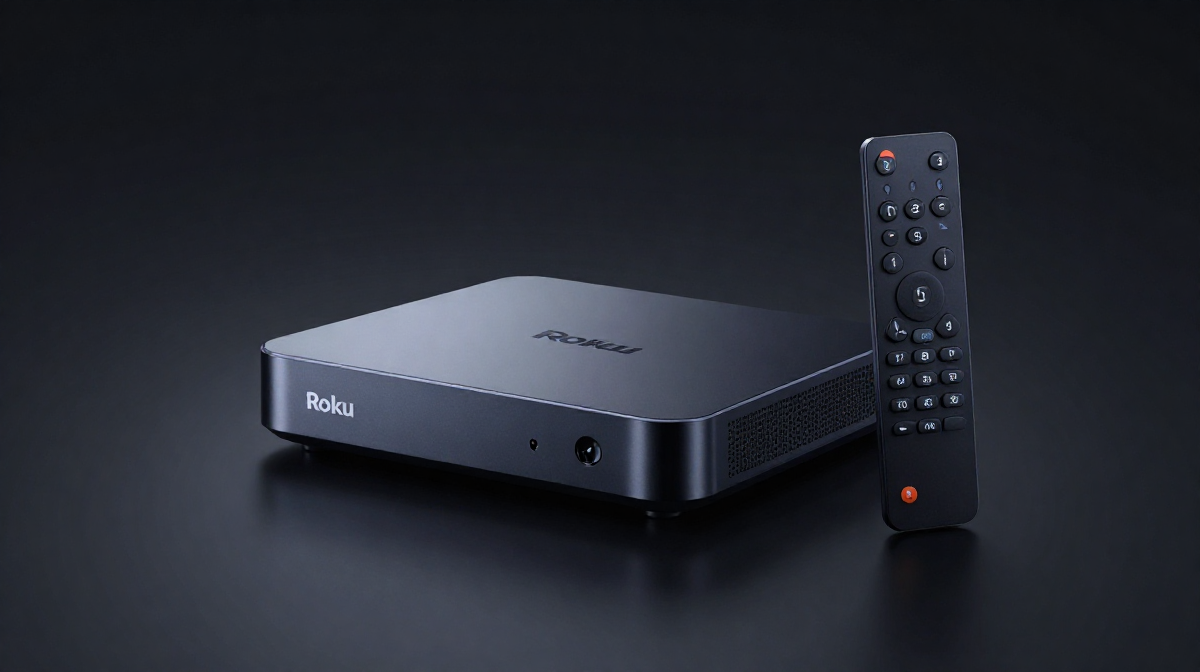
Can Fox’s $22 billion Roku bet turn a legacy broadcaster into a streaming ad powerhouse before rivals tighten their grip?

What Does the Fox Roku Acquisition Mean for Wall Street?
The Fox Roku Acquisition reshapes the media M&A landscape at a pivotal moment: linear TV ad revenue continues to erode, while connected TV (CTV) ad spend is projected to hit $32 billion in 2026 (eMarketer). Fox’s $22 billion bet — paying $160 per Roku share, an 11.4% premium — signals urgency. Unlike legacy media peers stuck in distribution decline, Fox is doubling down on control of the streaming stack: content (NFL, MLB, FOX News), platform (Tubi, The Roku Channel), and first-party data. Morgan Stanley Senior Funding has committed $12 billion in bridge financing, supporting Fox’s plan to maintain investment-grade credit while targeting pro forma net leverage of 2.8x EBITDA at closing. The deal’s timing — just as the FIFA World Cup 2026 heats up on Fox’s broadcast and FOX One platforms — underscores its real-time strategic relevance for U.S. advertisers.
How Does This Compare to Meta and Apple?
While Meta dominates digital ad targeting and Apple pushes hardware-software integration, Fox’s acquisition delivers a rare vertical stack in video: live appointment-viewing content + CTV distribution + ad monetization. Roku’s platform already hosts Apple TV, Netflix, and Peacock — meaning Fox gains neutral access to 100 million households without forcing exclusivity. That contrasts sharply with Apple’s walled-garden approach or Meta’s lack of video infrastructure. JP Morgan analysts noted the combined Fox-Roku entity could capture over 12% of U.S. CTV ad impressions by 2028 — a figure that would rival Comcast’s FreeWheel and surpass The Trade Desk’s current scale. Notably, Fox’s $400 million run-rate cost synergies target ad-tech infrastructure consolidation, not headcount cuts — a sign of long-term platform investment over short-term cost trimming.
Why Did Roku Accept the Fox Roku Acquisition?
Roku’s Q1 2026 results — $1.2 billion in revenue (+22% YoY) and $1.1 billion in platform revenue (+28%) — confirm its growth engine, but also expose structural pressure. Hardware margins remain razor-thin (intentionally), and competition from Apple, Amazon Fire TV, and Google TV is intensifying. As The Jerusalem Post reported, Roku’s leadership saw the Fox Roku Acquisition as a path to scale, capital, and distribution muscle — without sacrificing its open-platform ethos. Founder Anthony Wood will join Fox’s board and retain operational oversight of Roku’s platform, ensuring continuity. With Roku’s shares trading at $142.73 after hours — still 12% below the $160 offer — the market is pricing in regulatory risk, but also signaling strong conviction in the strategic logic.
What’s Next for Fox Shareholders?
This combination will transform the scope of our company into high-growth verticals and yield a step change in our overall growth profile.— Lachlan Murdoch, CEO of Fox Corporation
Fox shares plunged nearly 13% in premarket trading — the steepest single-day decline since its 2019 Disney spinoff — reflecting investor concerns over debt, integration complexity, and dilution. Yet Citigroup analysts reaffirmed their ‘Neutral’ rating, highlighting Fox’s $2.54 billion in 2025 free cash flow (per TradingView) and disciplined capital allocation: the company maintains its dividend and share buyback program post-deal. RBC Capital Markets upgraded Roku to ‘Outperform’, citing the ‘compelling exit value’ and ‘accelerated path to profitability’ via Fox’s ad-sales infrastructure. The transaction requires approval from both boards (already secured), shareholders, and U.S. regulators — with the DOJ and FCC expected to scrutinize vertical integration in streaming. Closing is targeted for H1 2027, aligning with the tail end of the FIFA World Cup and ahead of next year’s NFL rights negotiations.