
Can Intel PC Chips hold their ground as Nvidia pushes Arm-based AI processors into one of Intel’s most important markets?

Why are Intel PC Chips under pressure?
Intel Corporation fell 3.10% intraday Monday after NVIDIA introduced its RTX Spark Superchip, a new Arm-based processor designed for Windows on Arm systems and set to appear first in devices from Dell and Lenovo. The move matters because Intel and AMD have long dominated non-Mac PCs through x86 processors, making the launch a direct attack on one of Intel’s most important businesses. Investors reacted quickly as the market reassessed whether AI PCs could become a real opening for alternative chip architectures.
The pressure was not limited to Intel. AMD also traded lower, while Nvidia, Microsoft, Arm, and development partners tied to the new ecosystem drew fresh attention ahead of Computex Taipei, which runs from June 2 to June 5. For US investors, the issue is not just one product launch. It is whether the next wave of premium laptops and desktops shifts buying patterns away from traditional Intel PC Chips and toward integrated AI-focused designs with lower power consumption.
Can Nvidia really challenge Intel?
Nvidia’s pitch is straightforward: its data center AI dominance can be extended to on-device computing. That argument gives the company a stronger story than many prior PC challengers, especially as Microsoft pushes more AI features into Windows. Dell and Lenovo support adds commercial credibility, and the focus on high-end notebooks and desktops suggests Nvidia is targeting the most profitable end of the market first.
Still, several analysts have argued that Nvidia may capture only a low-single-digit share at first, rather than rapidly displacing incumbents. That matters for investors trying to separate headline risk from revenue risk. Intel PC Chips remain deeply embedded across enterprise fleets, commercial notebooks, and broad OEM relationships. Intel also retains software, manufacturing, and channel advantages that are difficult to replace overnight.
The competitive picture is broader than one launch. Apple already proved that Arm-based chips can reshape PC performance expectations, while Qualcomm has also pursued Windows PCs. Nvidia’s entry raises the pressure on Intel, but it does not automatically mean a collapse in Intel’s position.
What still supports Intel?
Intel has not been standing still. Super Micro this week launched 12 new server platforms built around Intel Xeon 6+ processors, highlighting gains in core density, cache, memory support, and performance-per-watt for cloud and enterprise workloads. That strengthens Intel’s data center narrative even as its client business faces a new challenge. For investors, this matters because Intel is no longer being judged only on PCs; AI inference, server CPUs, and broader infrastructure exposure are increasingly part of the valuation debate.
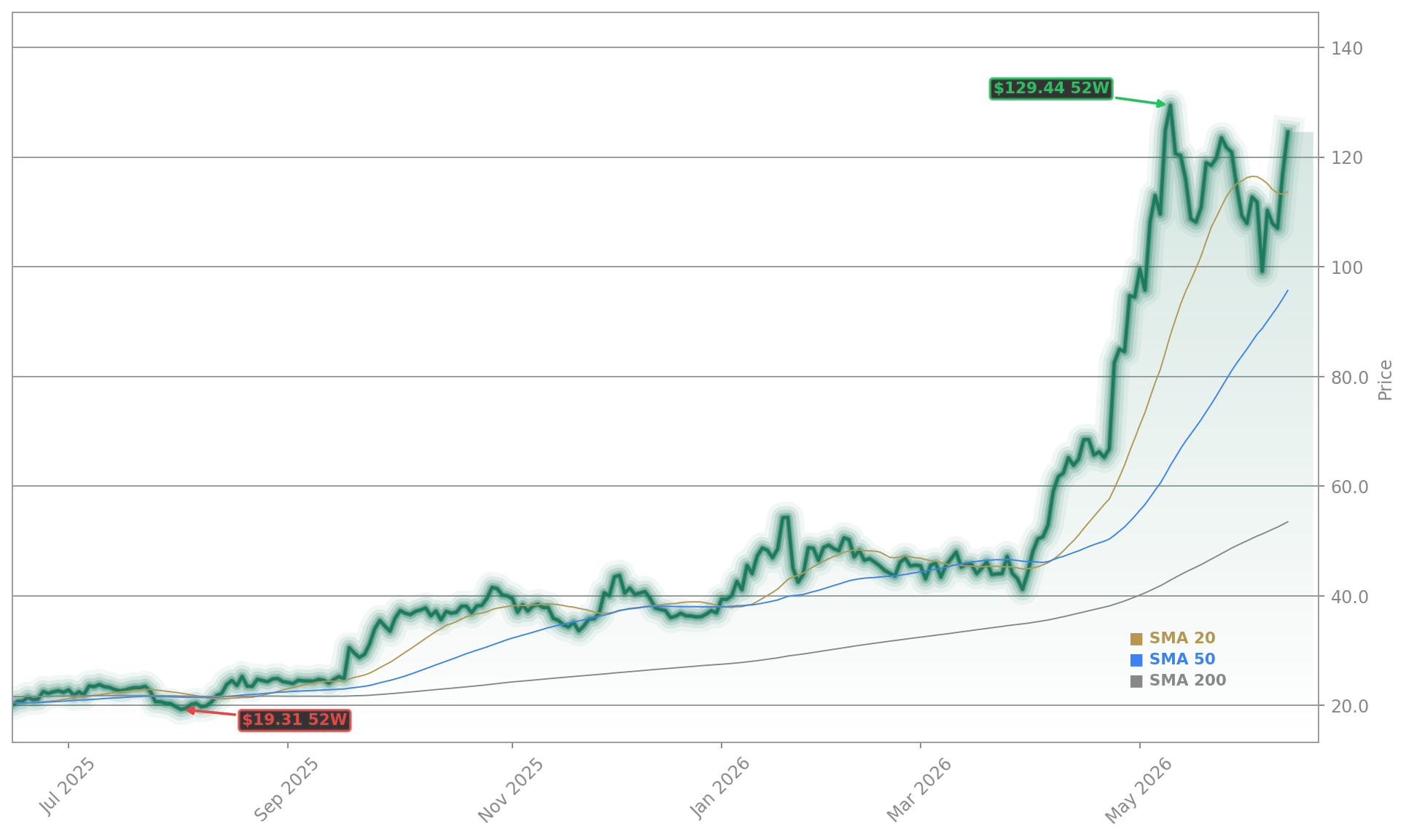
Earlier optimism around Intel was also driven by a powerful rerating in semiconductor stocks outside NVIDIA, along with support for domestic chip manufacturing themes in Washington. But that rebound has made the stock more sensitive to competitive headlines. Reports from Reuters and Bloomberg on Monday underscored that Nvidia’s PC move lands at a time when expectations across the chip sector are already elevated.
Notably, no fresh analyst rating changes from firms such as Citigroup, RBC Capital Markets, Goldman Sachs, or Morgan Stanley were tied to Monday’s move in the materials reviewed, leaving the market reaction driven mainly by competitive concerns rather than a new Wall Street call.
How should investors read Intel now?
The key question is whether this is a sentiment shock or the start of a more durable share shift. Intel remains central to the PC market, and total semiconductor demand could still expand enough to support multiple winners. Yet the launch shows that AI PCs are becoming a new battleground, not a guaranteed extension of Intel’s historical advantage. That is why Intel PC Chips are suddenly back at the center of the story for growth investors, value investors, and sector rotation traders alike.
Related Coverage: Investors tracking the longer-term bull case may also want to read this analysis of whether a $130 Intel target can be justified by AI enthusiasm. That piece examines valuation, sentiment, and whether Intel’s rebound reflects a sustainable earnings story or simply another leg of semiconductor hype.
Intel PC Chips now face a more visible competitive threat, but the company still has scale, OEM relationships, and data center momentum working in its favor. For investors, the next milestones will be OEM adoption, Windows on Arm demand, and Intel’s own AI product cadence. If Intel executes well, today’s pullback could become a test of conviction rather than a verdict on the franchise.