
Did Intuit misread customer price sensitivity, or is the market overreacting to a deeper TurboTax credibility problem?

What triggered the Intuit Fraud Probe?
The Intuit Fraud Probe stems from a May 2026 single-day 20% stock crash, following Intuit Inc.’s admission that its TurboTax business missed expectations among price-sensitive filers. Internal missteps — including overpricing TurboTax relative to competitors like H&R Block and free IRS alternatives — eroded market share. Bleichmar Fonti & Auld LLP is now investigating whether executives downplayed these risks in earnings calls and SEC filings before the tax season. Notably, the firm alleges potential securities fraud tied to forward-looking statements about pricing elasticity and competitive resilience — a rare escalation for a company historically viewed as operationally bulletproof.
How bad is the damage to Intuit’s valuation?
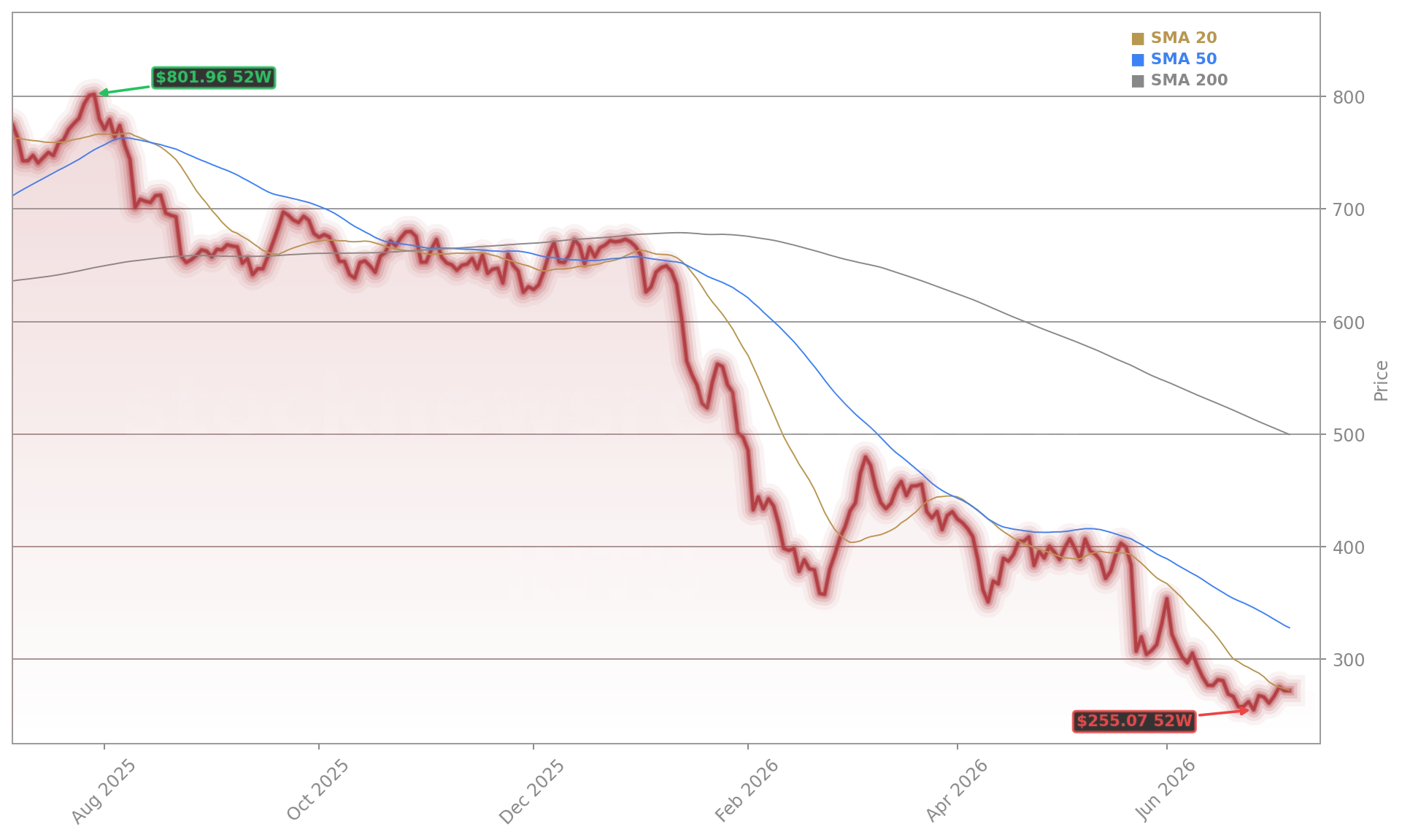
Intuit Inc. now trades at a forward P/E of just 10x — a 45% discount to its five-year average — despite delivering 13–14% full-year fiscal 2026 revenue growth and a 7% year-over-year TurboTax revenue increase. That disconnect reflects deep investor skepticism. While TurboTax Live revenue surged 38% and now accounts for over half of TurboTax’s total, the core DIY product faces structural headwinds. Citigroup recently cut its price target to $245, citing “unresolved pricing credibility risk,” while RBC Capital Markets downgraded Intuit Inc. to “Underperform,” warning of “persistent margin pressure from customer backlash and regulatory overhang.” The stock’s 52-week high remains $428.60 — a level now 36% out of reach.
Is Intuit’s broader ecosystem still resilient?
Yes — but not enough to offset TurboTax’s drag. Global Business Solutions, anchored by QuickBooks Online Accounting, grew 15% year over year, with QuickBooks Online up 22%. Intuit’s cross-selling engine — linking TurboTax users to Credit Karma loans or Mailchimp marketing tools — remains intact and delivers high-margin, recurring revenue. Yet this diversification hasn’t insulated Intuit Inc. from sentiment contagion. When NVIDIA-driven AI optimism lifted the NASDAQ 12% in Q2 2026, Intuit Inc. fell 18%, underscoring its status as a sentiment-driven laggard. Analysts at Goldman Sachs note, “Intuit’s ecosystem strength is real — but it’s priced for perfection. Right now, perfection is in doubt.”
How does Intuit compare to peers amid AI disruption?
Unlike Tesla or Apple, Intuit Inc. faces AI disruption not from external innovators but from its own product evolution — and missteps in communicating it. While Shopify’s recent 3.3% forecast cut reflects AI-commerce tailwinds failing to translate into near-term growth, Intuit’s issue is more acute: pricing trust. Competitors like H&R Block and free IRS Free File have capitalized on TurboTax’s perceived complexity and cost. Meanwhile, AI tax tools from startups like TaxAI and even Meta-backed financial assistants are gaining traction with younger filers. Morgan Stanley highlights that Intuit Inc. spends 22% of R&D on AI — yet its 2026 TurboTax rollout lacked transparent tiering or value justification, fueling the Intuit Fraud Probe’s core thesis.
What’s next for Intuit’s regulatory and financial outlook?
Intuit Inc. faces a dual-track timeline: a potential SEC inquiry could follow the Bleichmar Fonti investigation, and fiscal Q3 2026 earnings — due August 19 — will be scrutinized for pricing revisions and TurboTax Live adoption metrics. Management has signaled a “customer-first pricing reset” for the 2027 tax season, but investors demand concrete data — not slogans. The company’s $2.3B buyback authorization remains paused, and dividend growth has been frozen. With Q2 2026 earnings already reported and showing resilience in business units, the market now judges Intuit Inc. on governance — not growth.
Related Coverage: For deeper analysis of how Intuit’s AI strategy is reshaping institutional sentiment, see Intuit AI Strategy +1.8%: Buyers Bet Against the Doubts. Meanwhile, investors weighing broader fintech risks should consider Shopify Forecast -3.3%: Plunge Despite AI Commerce Tailwinds, which highlights how AI optimism can mask execution gaps across digital commerce platforms.
Intuit’s ecosystem strength is real — but it’s priced for perfection. Right now, perfection is in doubt.— Goldman Sachs analyst
Intuit Inc. remains a foundational player in financial software — but the Intuit Fraud Probe has reset the valuation framework. For investors, the question is no longer just about growth or AI, but about accountability and execution discipline. The next earnings report will test whether Intuit Inc. can rebuild trust with both regulators and shareholders. For long-term portfolios, a measured re-entry could be compelling — but only after clear evidence of pricing reform and transparent communication.