
Can Shopify turn payments control into a bigger moat without triggering the very regulatory scrutiny investors fear?

Why does Shopify Payments Strategy matter now?
Shopify Inc. is no longer just a storefront software company. Its expanding Shopify Payments Strategy points to a more vertically integrated model in which the company keeps more of the economics flowing through its merchant base. New financial licenses are a key part of that push because they can allow Shopify to hold and move merchant funds itself, reducing reliance on partners for some back-end functions while preserving the broader payment processing stack.
That matters because payments has become central to platform monetization. Industry observers note that integrated software platforms such as Shopify, Toast, and Lightspeed increasingly generate more revenue from transaction services than from subscription software alone. For Shopify, the strategic logic is clear: if more merchants use Shop Pay and related services, the company captures more fee revenue while making its ecosystem harder to leave.
How is Shopify challenging Stripe and PayPal?
The immediate market implication is tougher competition for established payment firms. Stripe remains a key partner, but Shopify is steadily taking more control over the merchant relationship. That creates pressure not only on Stripe, but also on PayPal, which has been pushing deeper into commerce software through its investment in Shopware. Merchants say Shopify’s checkout design and fee structure already encourage adoption of Shopify Payments over outside options.
That shift is showing up in usage. Roughly 68% of total platform sales volume now runs through Shopify Payments, and some merchants have seen that mix climb sharply over the past two years. If Shopify can self-manage more payment functions in Europe over time, investors may start to view the company less as a software multiple story and more as a hybrid software-fintech compounder.
Can Shopify back this with growth?
Recent operating numbers support the broader thesis, even if the stock has been volatile. In Q1 2026, revenue rose 34% year over year to $3.2 billion, while gross merchandise volume increased nearly 35% to $100 billion. Free cash flow margin held at 15%, and adjusted net income improved. Baron Opportunity Fund highlighted Shopify as a platform leader still growing near 30% at almost $12 billion in annual revenue scale, arguing the market’s software sell-off has been too indiscriminate.
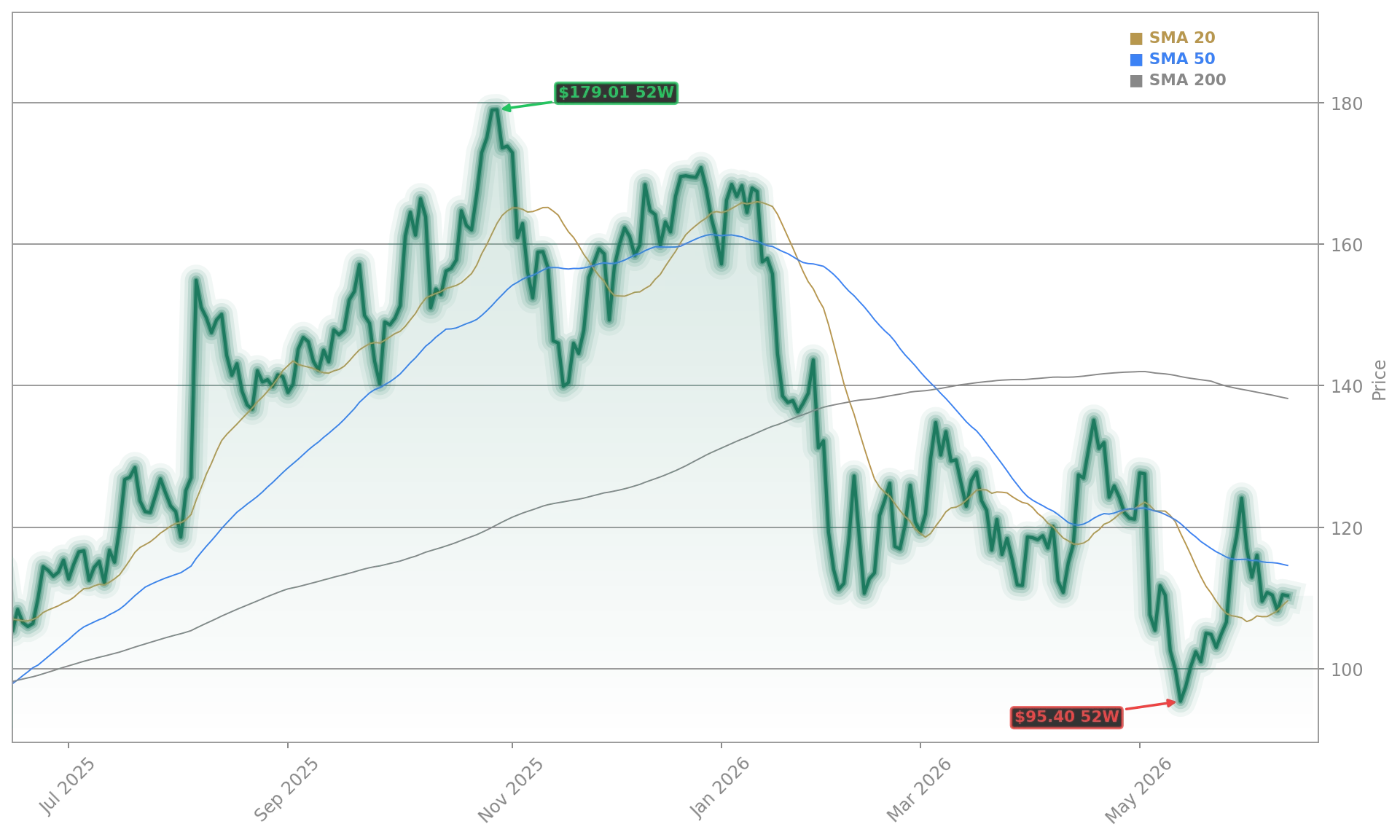
Still, valuation remains the debate. Sahm noted the shares traded near 97.7x earnings after Q1, while TradingKey said cautious guidance and legal headlines have kept sentiment fragile despite strong top-line execution. That mix helps explain why SHOP, despite today’s stable move, has been under pressure over the past month.
What are Wall Street and merchants watching?
Wall Street is watching whether the Shopify Payments Strategy can offset concerns about margin compression, AI spending, and legal risk. A U.S. court decision allowing antitrust claims from Sezzle to proceed has put more attention on Shopify’s control over checkout and integrations. At the same time, investors are balancing that overhang against AI product launches like Sidekick and agentic storefront tools, which could strengthen merchant engagement.
Analyst sentiment remains constructive overall. TradingKey cited multiple Buy-style views and an average price target around $154.28. Earlier pre-earnings coverage also showed firms maintaining positive stances while adjusting targets, including references to Wall Street banks such as Morgan Stanley. For US investors, the key question is whether Shopify can expand payments take rates without provoking heavier regulatory scrutiny.
Related Coverage: Investors tracking the latest quarter can also read Shopify Earnings Q1: 34% Revenue Boom as Stock Tanks. That report digs into the same tension now shaping sentiment: powerful revenue growth and expanding platform scale versus a stock that has struggled to hold investor confidence after earnings and guidance.
Shopify Inc. grew revenue 30% last year at nearly $12 billion in scale, with founders Tobi Lütke and Harley Finkelstein building the platform for agentic commerce.— Baron Opportunity Fund
The bottom line is that the Shopify Payments Strategy is evolving from a product feature into a core profit engine. If Shopify keeps increasing payment penetration while sustaining strong GMV and revenue growth, the stock could regain favor with growth investors. The next few quarters should show whether this deeper push into payments can turn Shopify into an even stronger rival to PayPal and Amazon.