
Can XPeng Earnings turn a weak quarter into a breakout story as deliveries are suddenly set to jump in Q2?

Why are XPeng Earnings driving the stock now?
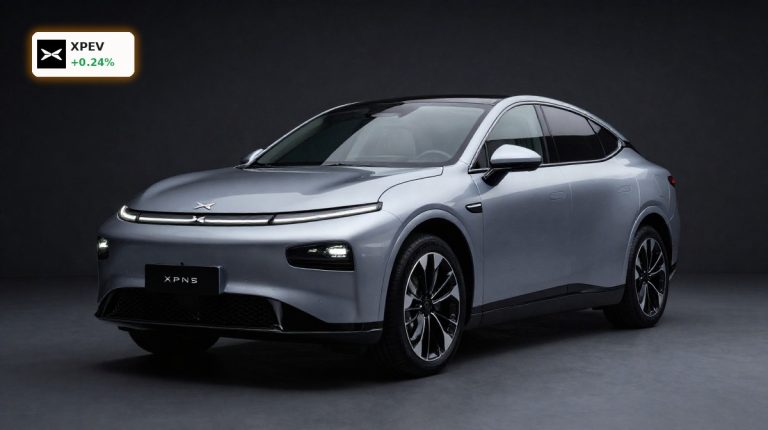
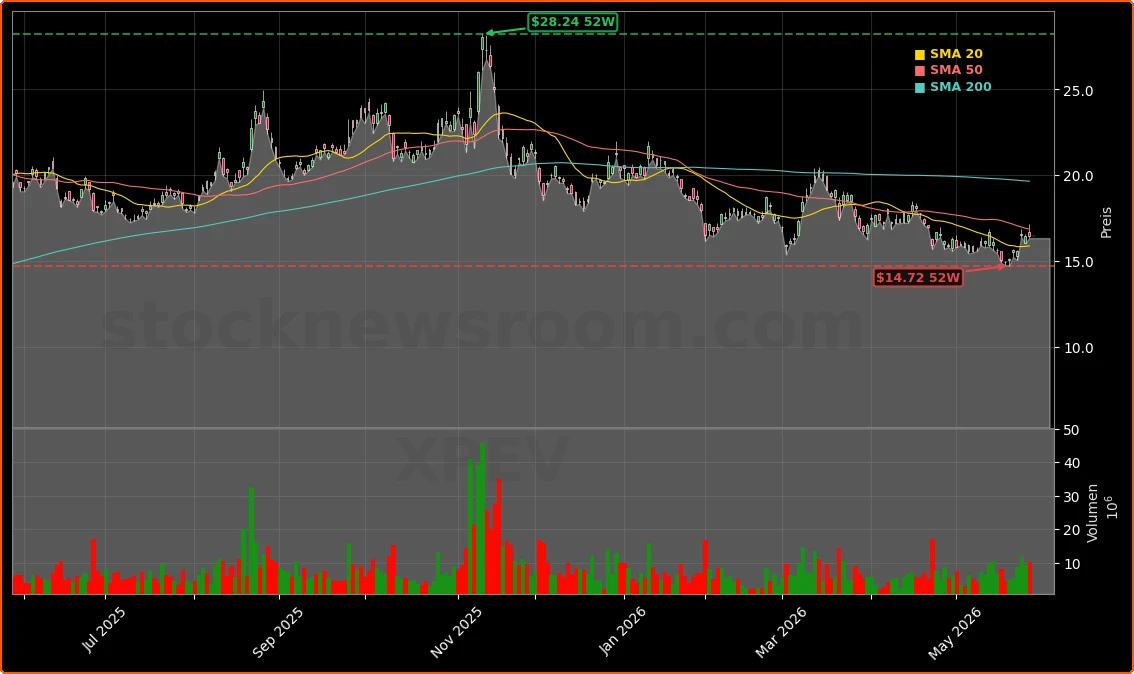
Shares of XPeng Inc. (XPEV) were little changed late Thursday, with the stock at $16.44, versus a previous close of $16.55, and after-hours trading at $16.48. The muted move suggests investors are weighing two competing forces in the XPeng Earnings story: a weak reported first quarter and a much stronger near-term outlook. Management said it expects second-quarter deliveries of 100,000 to 106,000 vehicles, up sharply from the 62,682 vehicles delivered in Q1 2026. Revenue guidance of RMB 19.6 billion to RMB 20.8 billion also points to a major sequential recovery. For U.S. investors comparing Chinese EV names with Tesla and other growth stocks on the NASDAQ, that Q2 setup is the main reason the stock remains on watch.
How weak was the last XPeng quarter?
The latest reported XPeng Earnings figures for Q1 2026 showed clear pressure. Total revenue came in at RMB 13.03 billion, down 17.6% year over year and 21.4% from the prior quarter. Vehicle sales revenue fell to RMB 11 billion, reflecting lower deliveries. The company posted a net loss of RMB 1.78 billion and an operating loss of RMB 1.87 billion. Even so, gross margin held up relatively well at 20.6%, better than the year-earlier level of 15.6%, though slightly below the prior quarter’s 21.3%. Vehicle margin improved from a year ago to 12.1%, helped by cost reductions and product mix, but rising memory chip and battery input costs weighed sequentially. XPeng ended March with RMB 42.09 billion in cash, giving it room to keep investing while losses continue.
Can XPeng outgrow Tesla and Chinese EV rivals?
Management believes the first quarter marked a seasonal trough rather than a trend break. Chief Executive He Xiaopeng said four all-new SUV models are planned within six months, starting with the GX, which he described as a global vehicle from day one. XPeng also said overseas deliveries topped 6,000 units in April, and international revenue is expected to exceed 20% of total revenue beginning in Q2. That matters because global expansion can diversify the company beyond China’s intense price competition, where Tesla and local rivals continue to pressure margins. XPeng’s physical retail network now spans 733 stores in 256 cities, underlining its scale. For investors, the core question is whether new models, overseas volume, and a better mix can offset ongoing component inflation and support a more durable earnings recovery over the next several quarters.
Is XPeng becoming more than an EV maker?
A striking part of the XPeng Earnings narrative is the company’s strategic shift beyond autos. He said XPeng has formally changed its Chinese name from XPeng Motors to XPeng Group, reflecting its transition from a smart EV maker to what management calls a “physical AI” company. The smart EV business remains the foundation for growth, profitability, and cash flow, but robotaxis and humanoid robots are now central priorities. The company is piloting robotaxi operations in Guangzhou and aims for mass production of its IRON humanoid robot by year-end. That places XPeng in a broader innovation race that also draws comparisons with NVIDIA on AI infrastructure and Apple on ecosystem ambition. Analysts remain divided: Citigroup has highlighted growth potential in Chinese EV exports, while RBC Capital Markets has generally been more cautious on margin durability across the sector. XPeng Earnings will likely keep trading on execution, not vision alone.
Physical AI applications represent one of the most significant global strategic opportunities of the next decade.— He Xiaopeng
For now, XPeng Earnings present a classic high-growth, high-risk setup: weak recent results, strong Q2 guidance, and ambitious bets on AI-enabled mobility. If deliveries and revenue land near the top of management’s range, investor confidence could improve quickly. The next quarter should show whether XPeng can turn its rebound plan into sustained momentum for long-term shareholders.