
Can Arm Holdings Computex momentum keep driving ARM higher, or is this AI-fueled spike already outrunning fundamentals?

Why is Arm Holdings Computex moving ARM?
The move was driven by a clear read-through from NVIDIA’s Computex keynote. Chief Executive Jensen Huang introduced the Vera CPU architecture and highlighted new systems that pair advanced graphics with Arm-based processing for AI-focused laptops, desktops, and broader infrastructure. That matters for ARM because its business model is built on licensing CPU architecture and collecting royalties when partners scale successful products.
Investors treated the announcement as more than a product reveal. It reinforced that Arm designs are becoming more important not only in smartphones and hyperscale servers, but also in Windows-based AI PCs. Microsoft was also among the session’s notable gainers, reflecting optimism that the Windows on Arm ecosystem may be getting another meaningful boost.
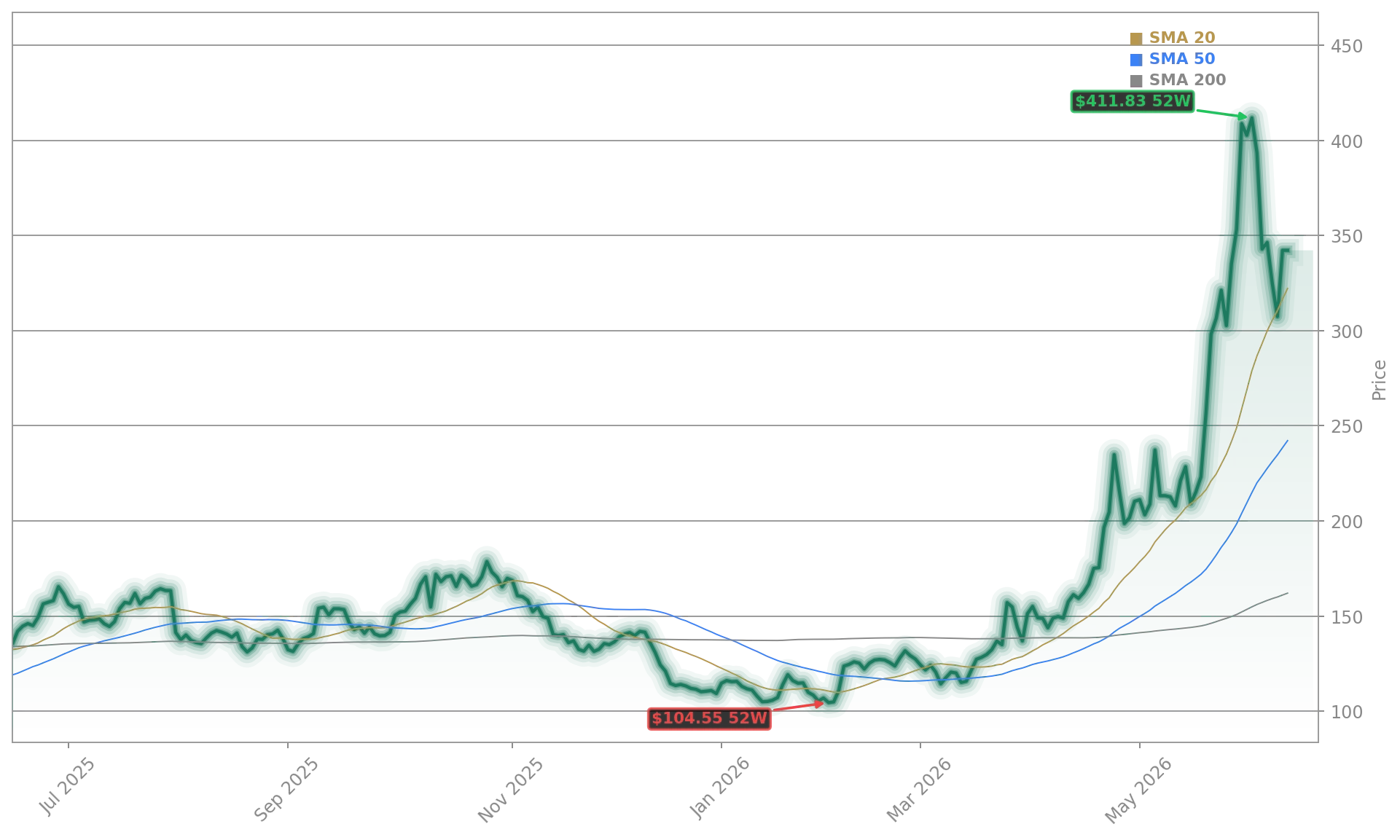
Arm Holdings Computex also landed at a moment when the market is already rewarding companies tied to the AI hardware stack. ARM has rallied dramatically from around $100 in January to above $400, a stunning re-rating that shows how aggressively investors are pricing in future royalty streams and direct CPU opportunities.
How does NVIDIA change ARM’s setup?
The strategic significance goes beyond one keynote. NVIDIA is one of ARM’s most important partners and licensees, and its decision to push deeper into Arm-based computing could widen ARM’s footprint in PCs, workstations, and AI infrastructure. The latest Computex messaging suggests the company sees Arm architecture as a core ingredient in power-efficient, high-performance systems.
That is especially relevant as ARM has already signaled bigger ambitions in data center CPUs. Recent coverage from TradingKey and TradingView emphasized strong AI demand, record revenue momentum, and rising confidence in ARM’s role across hyperscalers and custom silicon. Foreign Policy Journal also highlighted ARM’s favorable positioning versus Synopsys as AI chip demand reshapes semiconductor design.
For competitors, the read-through was less favorable. Intel, AMD, and Qualcomm all face the prospect of a more aggressive Arm-based challenge in PCs, particularly if developers and OEMs continue embracing AI-native devices. At the same time, Apple remains a key proof point that Arm-based computing can succeed at scale in premium personal computers.
Is valuation now the biggest ARM risk?
Even with the bullish backdrop, valuation is becoming impossible to ignore. 24/7 Wall St. recently argued that near-term upside may be limited after ARM’s huge rally, citing a projected 12-month value below current levels. Investing.com also noted insider selling in late May, though the stock has moved sharply higher since then.
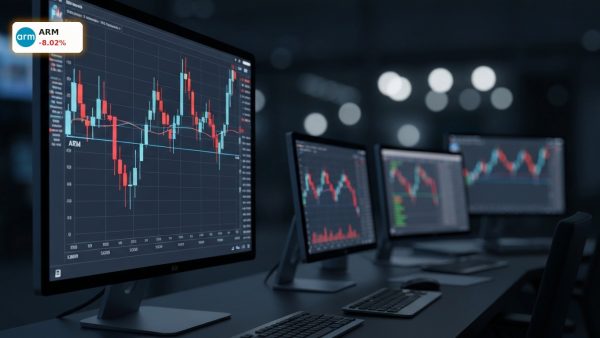
There is also a technical question. ARM traded near $410 during Monday’s surge, and traders are watching whether the stock can hold those gains or faces rejection after a nearly vertical move. Some market commentary has pointed to the possibility of a pullback toward lower support levels if momentum cools. That does not erase the long-term thesis, but it does raise the risk of sharp volatility after such a fast advance.
Importantly, this article does not describe a validated 52-week high because no 52-week high figure was provided in the market data. What can be said with confidence is that ARM is testing fresh momentum highs after one of its strongest single-day moves of the year.
Related Coverage: Investors looking for a broader setup around ARM’s CPU opportunity can also read this analysis of Arm Holdings’ CPU forecast and NVIDIA-driven upside. That piece explores how NVIDIA’s expanding CPU ambitions could translate into a larger royalty stream for ARM and why the market began repricing that possibility before this week’s Arm Holdings Computex catalyst.
Arm Holdings Computex has given bulls a powerful new narrative: ARM is no longer just benefiting from AI enthusiasm in the abstract, but from a visible product cycle tied to one of the market’s most influential chip companies. For investors, the next question is whether partner launches, enterprise adoption, and future commentary from names like Citigroup, RBC Capital Markets, and Morgan Stanley will support today’s valuation surge and keep ARM at the center of the AI hardware trade.