Are Microsoft Xbox Layoffs a warning sign for gaming, or proof that AI now matters more than consoles at Microsoft?

What Do Microsoft Xbox Layoffs Mean for Wall Street?
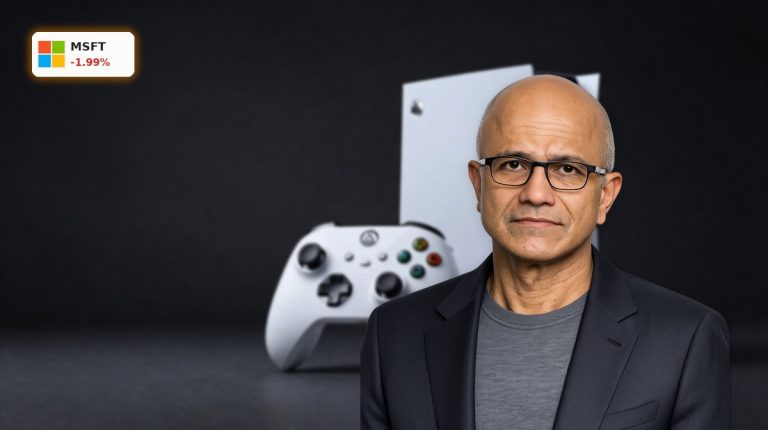
Microsoft Xbox Layoffs are not a sign of retreat — but recalibration. Bloomberg reported Thursday that Xbox is preparing significant staff reductions and marketing budget cuts following the June 30 fiscal year-end, as incoming CEO Asha Sharma reorients the division toward profitability amid declining gaming revenue. Unlike Meta’s Reality Labs or Amazon’s Luna, Xbox lacks a clear path to AI monetization — making it the logical candidate for cost discipline while Microsoft pours $30.88 billion in Q3 capex into Azure and OpenAI infrastructure. The move echoes Oracle’s recent workforce pruning and signals that even mega-cap tech is enforcing margin discipline in non-core units. For S&P 500 investors, this reinforces a broader trend: AI winners are being funded by trimming legacy exposure — and Xbox is now squarely in that category.
How Does This Compare to Apple and Meta?
While Apple maintains tight control over its hardware-software stack and avoids public gaming layoffs, and Meta leans into AI-driven ad targeting and VR R&D despite Reality Labs’ $17B cumulative losses, Microsoft’s Xbox move is more surgical. It’s not exiting gaming — it’s deprioritizing console-centric growth in favor of cloud gaming, Game Pass subscriptions, and AI-powered development tools. That contrasts sharply with Tesla’s vertical integration or NVIDIA’s full-stack AI silicon dominance. Analysts at BNP Paribas underscore the distinction: they maintained an Outperform rating and $555 price target on Microsoft, citing Copilot’s enterprise traction — not Xbox — as the true catalyst. Meanwhile, Citigroup reaffirmed its $550 target, stressing Azure’s 40% growth and $627 billion commercial backlog as structural moats no competitor matches.
Why Did Microsoft Raise Its Dividend — and Who Benefits Most?
On June 11, Microsoft paid $0.91 per share — its highest quarterly payout yet — to shareholders of record as of May 21. The increase from $0.83, enacted in late 2025, reflects extraordinary cash flow: $71.61 billion in free cash flow last fiscal year, up 32% year-over-year. For Steve Ballmer — still holding ~4% of Microsoft — the payout totaled $303 million. That’s not a lottery win; it’s compounding discipline. Ballmer hasn’t sold a share since stepping down as CEO in 2014, while Bill Gates shed most of his stake. With a forward P/E of 21x and operating margin at 46.3%, Microsoft’s dividend sustainability dwarfs peers like Oracle or IBM. And unlike many tech firms, Microsoft’s payout is funded by cash — not debt — making it a rare high-quality income anchor in the NASDAQ 100.
Is Copilot the Real Growth Engine — Not Xbox?
Absolutely. BNP Paribas analyst Stefan Slowinski highlighted accelerating Copilot adoption, citing NHS England’s 500,000-seat rollout and projections exceeding 25 million paid seats in fiscal Q4. That’s a $3B+ annual revenue stream — and it’s growing faster than Azure. Meanwhile, Microsoft Xbox Layoffs free up engineering bandwidth to integrate Copilot into Xbox Game Studios tools, Unity, and cloud dev environments. The pivot isn’t away from gaming — it’s toward AI-augmented game creation and distribution. This aligns with RBC Capital Markets’ view that Microsoft’s ‘seat-plus-consumption’ pricing model could lift long-term margins beyond traditional software. For investors, Copilot is the bridge between legacy Office revenue and next-gen AI infrastructure — and Xbox is now a supporting actor, not the lead.
What’s Next for Microsoft in Q4 and Beyond?
Our AI business surpassed an annual revenue run rate of $37 billion, up 123% year-over-year.— Satya Nadella, CEO of Microsoft
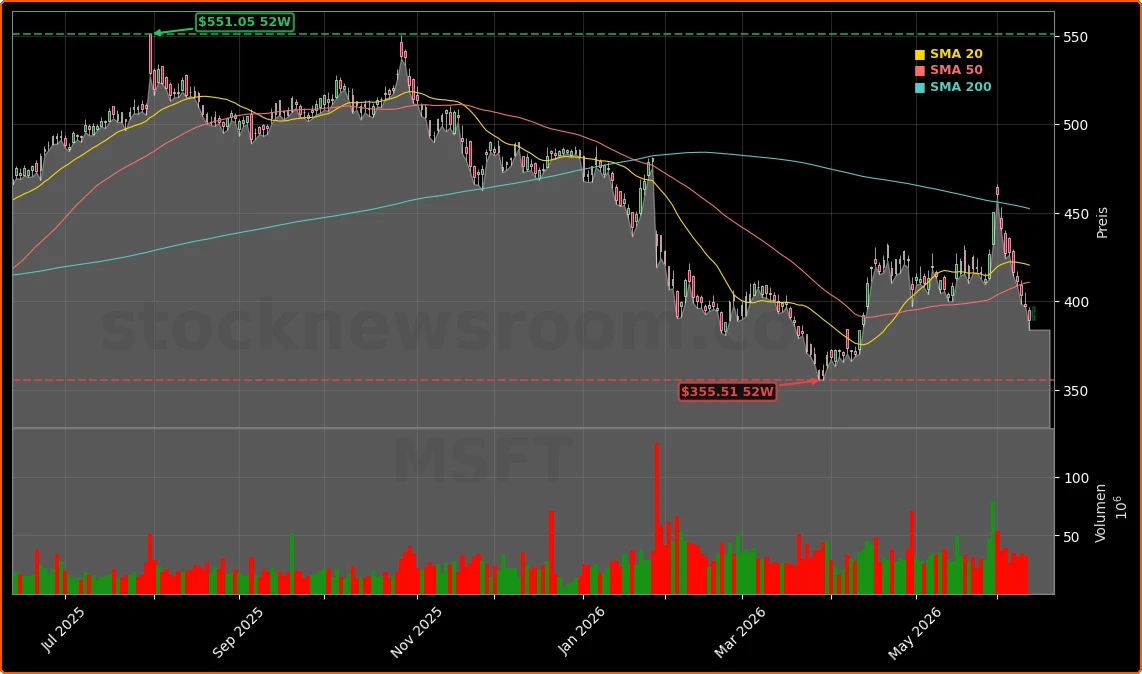
Microsoft’s fiscal Q4 report — due in late July — will test whether the Xbox restructuring delivers immediate margin lift and whether Copilot adoption justifies the $30.88 billion in capex. Analysts at TD Cowen ($540 target), Cantor Fitzgerald ($502), and Citizens ($550) all maintain bullish ratings. With shares trading 14.5% below their 200-day moving average and key support at $381.50, technical buyers await confirmation of a reversal. But fundamentals remain unassailable: $37B AI run rate, $627B backlog, and 123% AI revenue growth. Microsoft Xbox Layoffs are a tactical adjustment — not a strategic retreat. The real story is Copilot’s enterprise velocity, Azure’s infrastructure dominance, and a dividend policy built for decades, not quarters.