Are Tesla’s latest earnings and margin rebound enough to justify Elon Musk’s massive AI, robotaxi and Optimus spending spree?

How did Tesla Earnings surprise Wall Street?
Tesla, Inc. opened the 2026 reporting season for the so‑called Magnificent 7 with Q1 numbers that were clearly better than consensus. Revenue rose about 16% year over year to roughly $22.4 billion, modestly above expectations near $22.2 billion. Adjusted earnings per share came in at $0.41, beating the Street’s $0.34 estimate by roughly 20% and marking the second consecutive quarter of upside. Operating income reached about $941 million, well ahead of the roughly $788 million analysts had modeled.
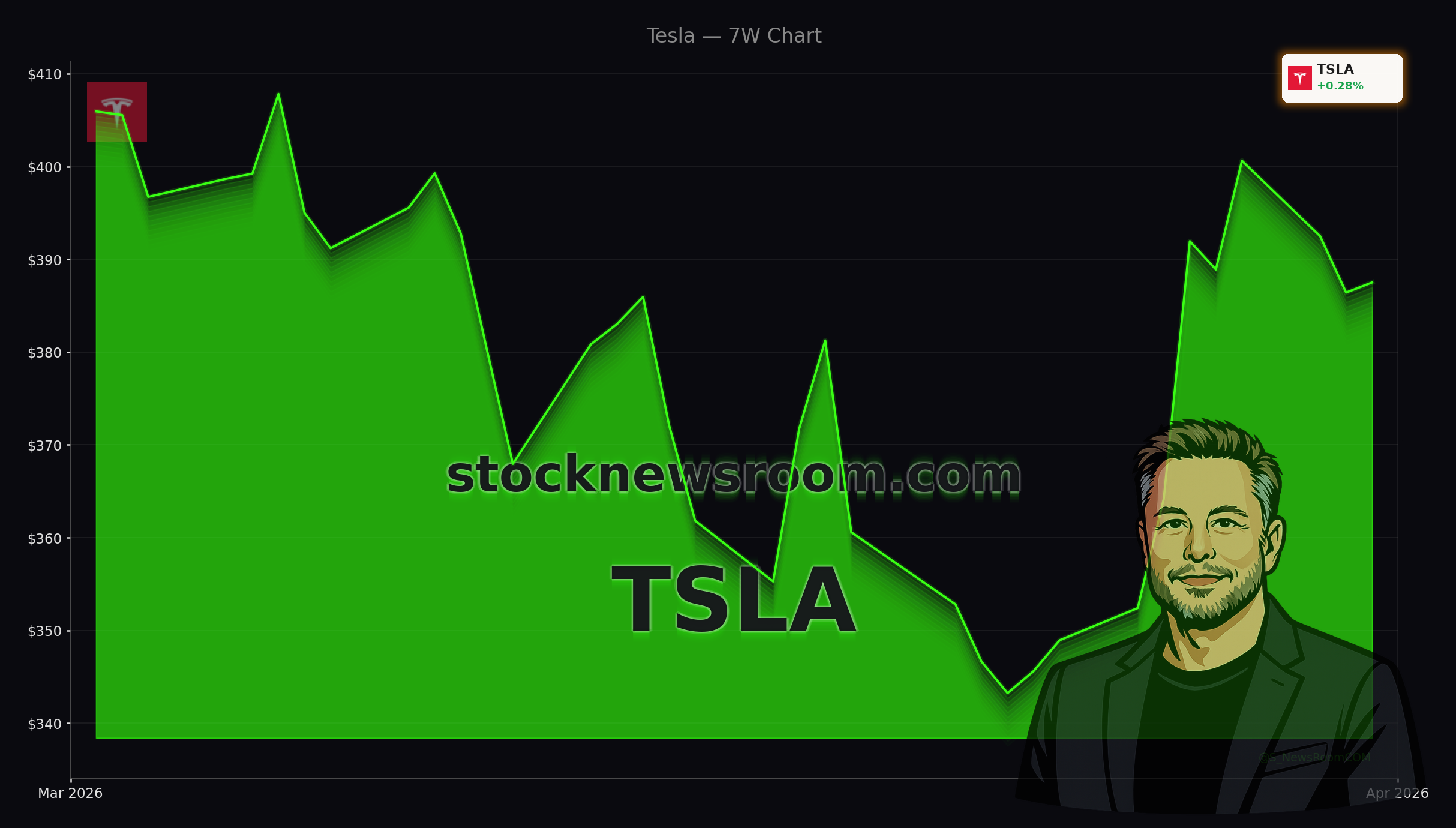
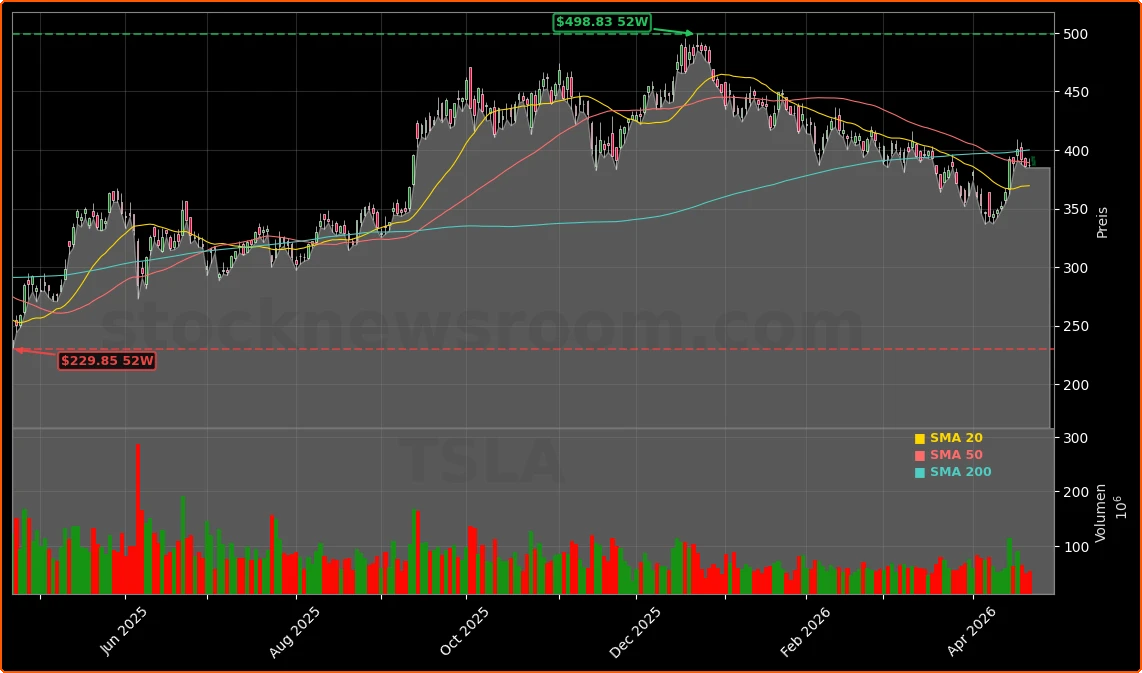
Profitability was the key positive surprise. After several quarters of price cuts and margin compression, Tesla’s gross margin jumped to around 21.1%, roughly four percentage points above prior expectations and nearly five points higher than a year earlier. The operating margin improved from 2.1% to about 4.2%, signaling that cost discipline and a more favorable mix are starting to offset EV pricing pressure. The market reacted positively: the stock gained roughly 3–4% in after‑hours trading, adding to a recent rebound but still leaving shares below their 52‑week high and lagging the Nasdaq‑100’s new highs.
Cash generation also helped sentiment. Operating cash flow climbed to about $3.9 billion, and free cash flow swung to a positive $1.44 billion versus expectations for a nearly $1.9 billion outflow. That reversal matters for U.S. portfolio managers who had been bracing for heavy cash burn amid Tesla’s aggressive capital‑expenditure plans.
What is changing in Tesla’s business mix?
Behind the headline Tesla Earnings beat, the business mix shows a company trying to grow beyond its EV roots. Automotive revenue still accounts for the bulk of sales and grew around 16% year over year, helped by slightly higher vehicle pricing and favorable currency effects. Tesla cited a recovery in demand across EMEA and North America and continued growth in Asia‑Pacific and South America, even as deliveries in core markets like the U.S., Europe and China have recently been flat.
By contrast, the energy segment declined about 12%, while “services and other” surged roughly 42%, reflecting higher software, service and ancillary revenue. The number of Full Self‑Driving (FSD) subscriptions increased from about 1.1 million at year‑end to 1.28 million, still only around a 10% take rate on the installed base. That slow adoption underlines the gap between Tesla’s lofty autonomy narrative and actual monetization.
Tesla continues to invest heavily: capital expenditures in the quarter were around $2.5 billion, roughly half of the planned $20 billion in capex for 2026, more than double the prior year. Management frames this spending as the foundation for AI computing, in‑house chip projects (including a next‑generation Dojo 3 system), expanded battery materials capacity and potential semiconductor manufacturing. For equity holders, the implication is clear: any valuation premium rests on these long‑duration bets paying off.
How central are robo‑taxis and Optimus to the story?
The latest Tesla Earnings release makes it explicit that the company sees itself as an AI and robotics platform rather than a traditional automaker. Management highlighted “significant progress” on software and infrastructure for its robotaxi business, reporting that paid robotaxi miles nearly doubled quarter over quarter. Unsupervised ride‑hailing operations were extended in Texas, with services now expanding from Austin into Dallas and Houston, and Tesla preparing regulatory frameworks to roll into additional major U.S. metros quickly once the technology is ready.
On the product roadmap, Tesla reiterated that its dedicated CyberCab robo‑taxi vehicle, the Tesla Semi and the Megapack 3 energy storage system are all targeting series production in 2026. Management also confirmed that first‑generation production lines for the humanoid robot Optimus are being installed, initially replacing Model S and Model X capacity in Fremont. Plans call for an initial Optimus factory capable of roughly one million units a year, with the Texas Gigafactory eventually scaled for up to ten million robots annually.
Not everyone on Wall Street is convinced. At BNP Paribas, analyst James Picarielo maintains an “Underperform” rating and a $280 price target, arguing that 70% of his valuation already assumes success in robotaxis and Optimus even though tangible progress is still limited. In contrast, Bank of America (BofA) has reiterated its “Buy” stance with a $460 target, citing the expansion of robo‑taxi services and renewed profit momentum. For investors, the spread between these views illustrates how sensitive TSLA remains to sentiment around autonomy and robotics rather than near‑term auto metrics.
How does Tesla compare with other mega‑cap tech names?
Unlike peers such as NVIDIA or Apple, which monetize AI largely through chips or devices today, Tesla is asking investors to pay upfront for businesses that are still pre‑scale. The stock trades at an elevated price‑to‑earnings multiple — some estimates place the trailing figure above 200 — despite generating less than $2 in annual EPS, highlighting how dependent the valuation is on Tesla’s ability to turn FSD, CyberCab and Optimus into meaningful profit pools.
Some portfolio managers question whether Tesla should continue to command full “Magnificent 7” status in major benchmarks like the S&P 500 and Nasdaq‑100, especially with its core EV growth slowing and no new mass‑market vehicle yet in showrooms. Others argue that if even part of the robotaxi vision materializes — for example, a proprietary ride‑hailing network in dozens of U.S. cities by 2026 — Tesla’s current price could still underestimate its long‑term earnings power.
Meanwhile, competition in China remains intense as domestic manufacturers scale exports, while legacy global automakers such as Volkswagen explore China as a low‑cost production base for EVs. That backdrop leaves Tesla walking a tightrope: defending premium EV share while diverting billions of dollars into AI infrastructure and robotics that may take years to fully commercialize.
Related Coverage
For a deeper dive into the risks around valuation, legal challenges and capital intensity after the latest Tesla Earnings, readers can review our detailed analysis in “Tesla Earnings Warning: Q1 Demand Shock, FSD Lawsuits And Robotaxi Hype”, which examines weak deliveries, rising FSD‑related lawsuits and the implications of Tesla’s $20 billion capex plan for shareholder returns.
We continue to expect our hardware-related profits to be accompanied over time by accelerating profits from AI, software and our fleet.— Tesla management in the Q1 2026 shareholder update
Overall, the latest Tesla Earnings report shows a company stabilizing margins and cash flow while doubling down on an aggressive AI, robotaxi and Optimus roadmap. For U.S. investors, the stock remains a high‑beta proxy on autonomy and robotics rather than a typical carmaker, which may suit growth‑oriented portfolios more than value strategies. The next few quarters — especially concrete milestones on CyberCab rollouts and Optimus production — will be critical in determining whether Tesla’s bold narrative can translate into sustained earnings growth.