

Does one tiny Bitcoin sale signal a major shift in Strategy’s playbook, or is Wall Street overreacting to Saylor’s first break in years?

Why does Strategy Bitcoin Sale matter now?
MicroStrategy Incorporated, now operating as Strategy, disclosed that it sold 32 Bitcoin for about $2.5 million, marking its first sale in roughly four years. The amount is tiny relative to its treasury of 843,706 Bitcoin, but the signal matters far more than the proceeds. Executive Chairman Michael Saylor built his market identity around relentless accumulation, so even a small break in that pattern changes the debate for equity holders and crypto investors alike.
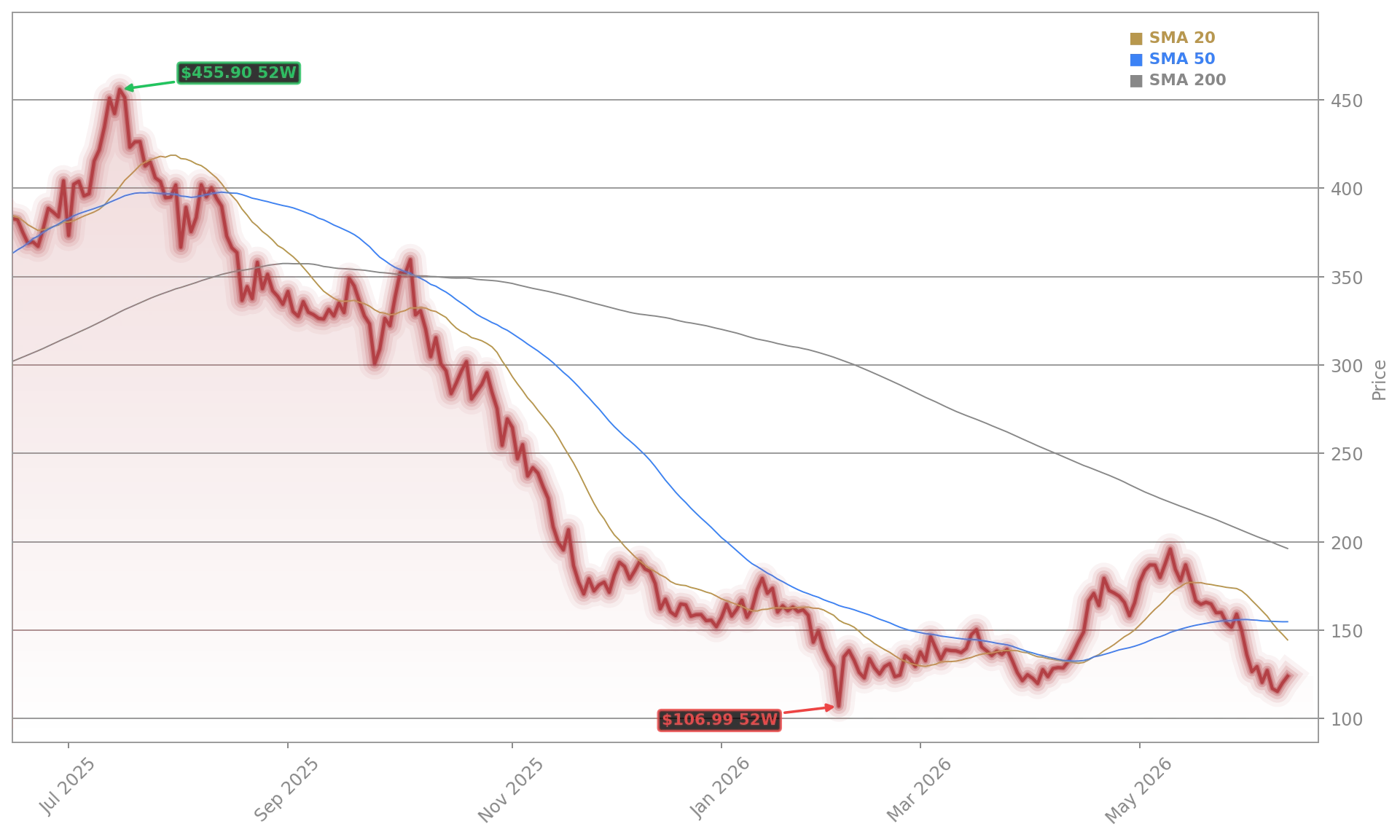
The immediate market reaction was sharp. MSTR is down more than 6% intraday, extending pressure that began before the US open. Bitcoin also weakened, reinforcing how tightly the stock trades as a leveraged proxy for the token. For US investors, the concern is not balance-sheet damage from $2.5 million in sales. It is whether the Strategy Bitcoin Sale opens the door to a broader capital-allocation shift driven by debt service, preferred dividends, or risk management.
Can Strategy fund growth without bigger sales?
That question matters because Strategy has been using multiple financing tools to keep buying Bitcoin while managing liabilities. Its STRC preferred stock kept its dividend at 11.5% for a fourth straight month, and management has been trying to keep that security near its $100 par value so the company can continue issuing shares through its at-the-market program. Keeping STRC close to par supports fresh capital raising, which can then be used for Bitcoin purchases, debt management, and general corporate needs.
If that mechanism stays efficient, Strategy may not need meaningful Bitcoin sales. But if preferred funding becomes more expensive or market appetite weakens, investors could start pricing in additional treasury monetization. That is why this Strategy Bitcoin Sale carries outsized importance despite its small size. It lands at a moment when Wall Street is already debating the sustainability of high-yield preferred financing and whether Saylor’s model works as smoothly in a softer crypto tape.
Broader market comparisons also matter. Unlike Tesla, which sold Bitcoin years ago and moved on, Strategy remains deeply defined by the asset. And unlike Apple or NVIDIA, whose valuations rest primarily on operating performance, MSTR is still largely a market instrument tied to Bitcoin sentiment, financing access, and investor belief in Saylor’s long game.
What is Wall Street watching at Strategy?
Traders are watching three things next: whether more Bitcoin gets sold, whether STRC remains near par, and whether the company can still attract institutional support. TradingView commentary in May highlighted continued bullish interest tied to possible S&P 500 inclusion and strong institutional demand. Another TradingView report noted Vanguard and BlackRock had increased exposure, underscoring that large investors still see strategic value in the name. GuruFocus, meanwhile, flags the stock’s stretched valuation profile and risk indicators, which helps explain Monday’s violent reaction.
No fresh analyst downgrade from firms such as Citigroup, RBC Capital Markets, Goldman Sachs, or Morgan Stanley accompanied today’s move, but those desks are likely to revisit assumptions if Bitcoin sales continue. For now, the issue is less earnings and more credibility: does Strategy still represent uncompromising Bitcoin accumulation, or is it becoming a more conventional balance-sheet manager?
Related Coverage: Our earlier piece MicroStrategy Bitcoin Sales: $15B Pressure Tests BTC Strategy explored why even modest monetization could challenge the company’s equity premium over its Bitcoin holdings. Investors following spillover into major tokens should also read Ethereum Forecast: $4,000 Bull Case Meets Selling Pressure, which looks at weakening ETF flows and broader crypto sentiment.
The Strategy Bitcoin Sale is small in dollar terms, but strategically it is a major headline. Investors now need to watch whether this was a one-off tax and liquidity move or the start of a more flexible treasury policy. If Strategy can stabilize funding and avoid further disposals, the stock could regain footing, but the next few weeks will be critical.